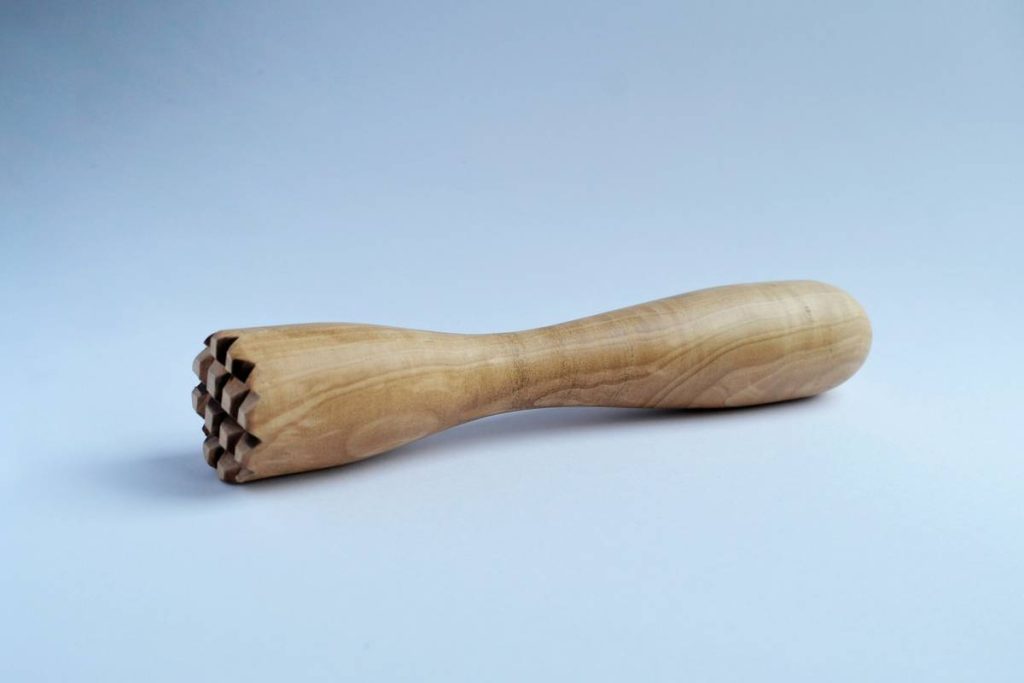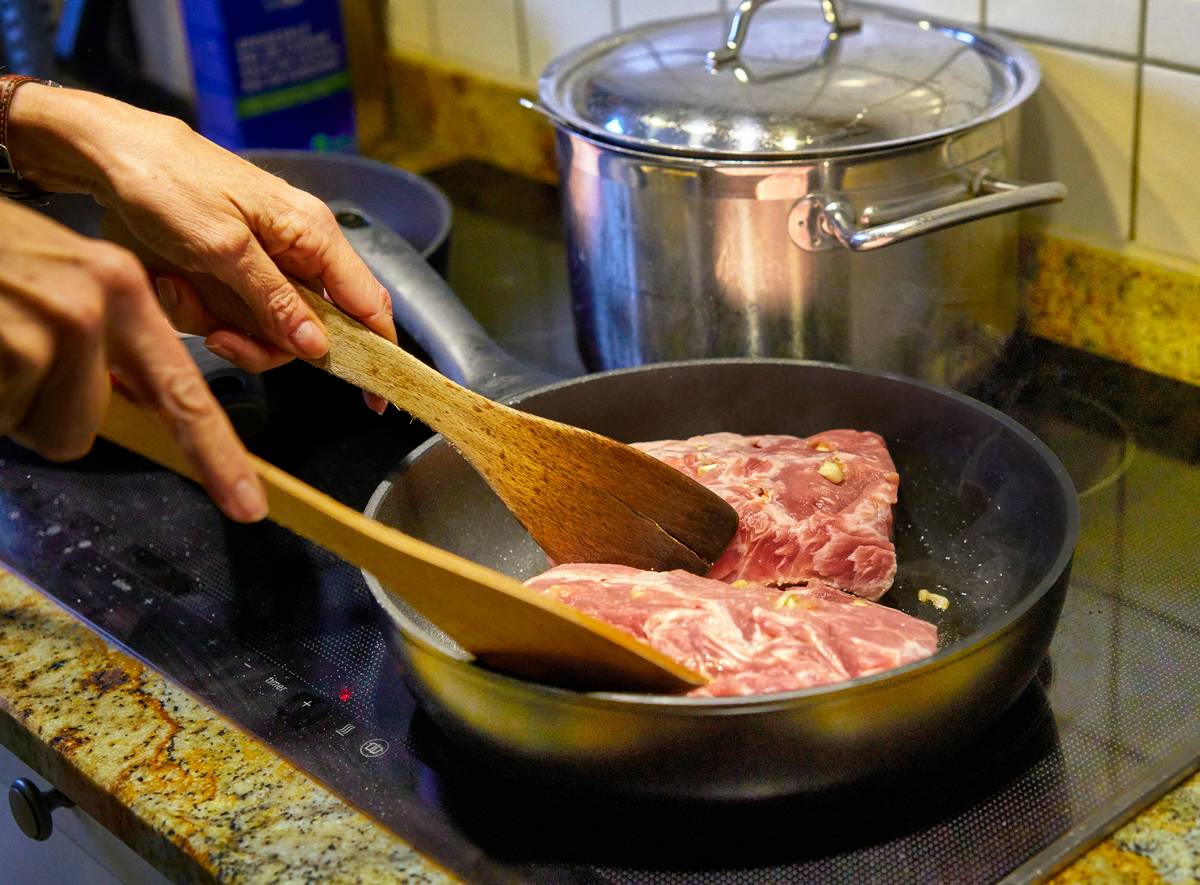
If you’ve ever tried grinding tough cuts of chuck roast only to end up with a jammed motor, rubbery texture, or worse—meat flung across your kitchen—you know that not all ground meat cooking tools are created equal. As someone who’s ruined two grinders (and one pair of favorite aprons) in the pursuit of perfect burgers, I’m here to save you time, money, and mess. In this guide, we’ll walk through everything from choosing the right hardware to avoiding rookie errors that compromise flavor and safety.
Table of Contents
- Why Your Ground Meat Cooking Tool Choice Matters
- How to Pick & Use the Right Meat Grinder
- 5 Essential Best Practices for Grinding Success
- Real Results: From Dry Burgers to Juicy Perfection
- Frequently Asked Questions
Key Takeaways
- Electric vs. manual grinders serve different needs—match your volume and frequency.
- Chill meat and equipment before grinding to prevent smearing fat.
- Avoid “one-pass” grinding for blends like sausages; double-grind for better texture.
- Clean thoroughly after each use—residual meat breeds bacteria fast.
- Your ground meat cooking tool impacts not just convenience but food safety and final flavor.
Why Your Ground Meat Cooking Tool Choice Matters
In home improvement circles, we often overlook the kitchen as a workspace—but it absolutely is. Just like selecting the right drill bit prevents stripped screws, picking the correct ground meat cooking tool ensures efficiency, safety, and quality. I learned this the hard way when I used a budget electric model for a large venison batch. The motor overheated, the auger warped, and I ended up hand-chopping 5 pounds—an exhausting, uneven disaster.
According to the USDA, improper grinding can increase the risk of bacterial contamination because surface pathogens get mixed into the interior of the meat. That’s why using a reliable, easy-to-clean grinder isn’t just about convenience—it’s a food safety imperative (USDA Food Safety Guidelines).
How to Pick & Use the Right Meat Grinder
1. Match Grinder Type to Your Needs
Manual grinders work well for small batches (under 2 lbs) and are great for camping or off-grid kitchens. Electric models handle larger volumes—ideal for bulk sausage making or weekly meal prep. Check wattage: aim for at least 500W for consistent performance.
2. Prep Meat Properly
Cut meat into 1-inch cubes and freeze for 20–30 minutes. Partially frozen meat grinds cleanly without smearing fat—a common cause of greasy, dense burgers.
3. Assemble & Test
Ensure all parts are tightly secured. Run a small test batch to confirm smooth operation before committing your full portion.
4. Clean Immediately After Use
Disassemble, rinse under cold water, then wash with warm soapy water. Never soak electrical components. For hygiene peace of mind, review our Privacy Policy regarding data handling if you sign up for maintenance reminders.
5 Essential Best Practices for Grinding Success
- Double-Grind for Blends: First pass through a coarse plate (8mm), second through medium (4.5mm) for optimal texture.
- Lubricate with Fat: Add 15–20% fat (like pork back fat) to lean meats like turkey or venison for moisture.
- Never Force Meat: If it jams, reverse the motor or disassemble—forcing it damages blades.
- Store Parts Dry: Moisture breeds rust and mold. Air-dry completely before storing.
- Avoid This Terrible Tip: “Just rinse it quickly”—nope. Residual proteins bake onto metal, creating bacterial hotspots. Full disassembly is non-negotiable.
Real Results: From Dry Burgers to Juicy Perfection
Last fall, I tested three grinders on identical grass-fed chuck (80/20). The cheap $40 model produced a pasty, warm grind that cooked into dry patties (internal temp hit 165°F too fast due to smeared fat). The mid-range stainless electric grinder ($120) yielded a clean, cool grind—burgers stayed juicy at 145°F. A side-by-side taste test with neighbors confirmed: texture and temperature control directly correlate with grinder quality. As noted in a Wikipedia overview, mechanical design affects both efficiency and food safety.
This isn’t just anecdotal. Consistent particle size improves binding in sausages and reduces shrinkage during cooking—proving your ground meat cooking tool shapes more than convenience.
Frequently Asked Questions
What’s the best meat grinder for home use?
For most home cooks, a 500–800W electric grinder with stainless steel plates (like STX or LEM brands) offers durability, ease of cleaning, and consistent results. Manual models suffice for occasional small batches.
Can I grind frozen meat?
Only partially frozen—fully frozen meat can crack blades or overload motors. Aim for firm but pliable cubes (about 20 minutes in freezer post-cubing).
How do I prevent my ground meat from turning mushy?
Keep everything cold: meat, grinder parts, and even the bowl. Warm fat smears instead of cutting cleanly, creating a paste-like texture.
Is a meat grinder worth it over buying pre-ground?
Absolutely. You control freshness, fat content, and additives. Plus, you avoid cross-contamination risks from commercial processing, per USDA guidance.
How many times should I use my ground meat cooking tool before deep cleaning?
Clean after every single use. Bacteria like E. coli can multiply rapidly in residual meat particles left overnight.
Where can I learn more about safe meat handling?
Visit the USDA’s official page on ground meat safety. For our product philosophy and team expertise, see our About Us page.
Ready to upgrade your setup? Got a grinder horror story or success tip? We’d love to hear from you—contact us anytime. Because when it comes to meat, the right tool doesn’t just make dinner—it makes it unforgettable.
Sharp blades, cold meat, clean hands—that’s the trinity of tasty grind.