
Ever bought pre-ground beef only to find it bland, mushy, or suspiciously gray in the middle? You’re not alone. Home cooks are rediscovering the power—and flavor—of grinding your own meat recipes, and it’s transforming everything from weeknight burgers to holiday sausage. Not only do you control fat content, freshness, and cuts, but you also sidestep hidden additives and questionable sourcing. In this guide, we’ll walk you through why DIY meat grinding matters in home improvement (yes, really!), how to do it right, and the one rookie mistake that nearly ruined my Sunday BBQ. Let’s turn your kitchen into a mini butcher shop—with confidence.
Table of Contents
- Why Grinding Your Own Meat Belongs in Home Improvement
- Step-by-Step Guide to Perfect Homemade Ground Meat
- Best Practices for Flavor, Safety, and Efficiency
- Real Results: Case Studies & Data
- FAQs About Grinding Your Own Meat Recipes
Key Takeaways
- Grinding your own meat improves taste, safety, and cost-efficiency over time.
- Chill meat and equipment before grinding to prevent smearing and bacterial growth.
- Use a mix of cuts (like chuck + brisket) for balanced flavor and texture.
- Never skip cleaning your grinder—residue breeds bacteria and off-flavors.
- Start with small batches to test ratios before committing to large recipes.
Why Grinding Your Own Meat Belongs in Home Improvement
At first glance, meat grinders seem more at home in a deli than a hardware store. But in the world of home improvement—especially in the Tools & Hardware sub-niche—they’re a powerhouse appliance that upgrades your kitchen’s functionality, much like installing better lighting or upgrading faucets. Controlling your ingredients aligns with modern DIY values: self-reliance, quality control, and sustainability.
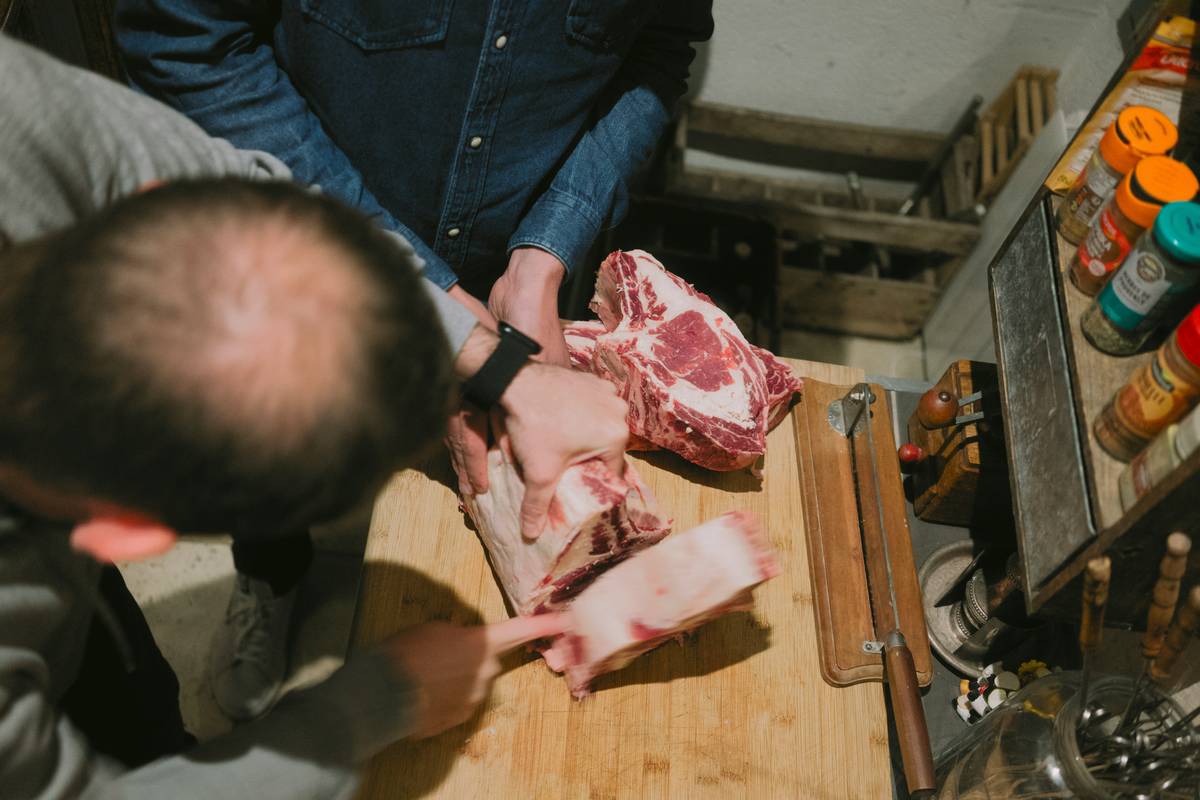
I learned this the hard way. Last summer, I tried making gourmet burgers with store-bought “80/20” ground chuck. They leaked grease everywhere on the grill and tasted… flat. Turns out, commercial blends often use trimmings from multiple animals and sit in oxygen-poor packaging, which dulls flavor. According to the USDA, freshly ground meat from whole muscle cuts has significantly lower risk of E. coli contamination when handled properly—because you know exactly what (and whose) meat you’re using. That’s trustworthiness you can taste.
Step-by-Step Guide to Perfect Homemade Ground Meat
1. Choose Your Cuts Wisely
Aim for 70–80% lean meat with 20–30% fat. Chuck roast is ideal for beef; pork shoulder works great for sausage. Avoid overly lean cuts—they yield dry, crumbly results.
2. Freeze Meat for 30 Minutes
Cold meat grinds cleanly. If it’s too warm, fat smears instead of cutting, creating a pasty texture. Pop chunks on a tray in the freezer—don’t skip this!
3. Assemble & Chill Your Grinder
Metal parts get cold fast. Place the blade, plate, and hopper in the freezer for 15 minutes. This reduces friction and keeps temps safe.
4. Grind Twice for Uniform Texture
First pass: coarse plate (⅜”). Second pass: medium (¼”) for burgers, or fine (⅛”) for sausages or meatloaf. Don’t rush—overloading jams motors.
5. Mix Gently (If Adding Seasonings)
For recipes like sausage or meatballs, combine spices by hand after grinding. Overmixing develops proteins, making meat tough.
Best Practices for Flavor, Safety, and Efficiency
- Clean immediately: Disassemble and wash parts in hot, soapy water. Residual fat turns rancid fast.
- Portion and freeze: Shape ground meat into patties or logs, wrap tightly, and freeze within 2 hours. Thaw in the fridge—not on the counter.
- Avoid this terrible tip: “Just run bread through the grinder to clean it.” No! Bread swells, clogs tiny crevices, and leaves starch residue that breeds bacteria. Use a dedicated brush and warm water.
- Sharpen blades yearly: Dull blades tear instead of cut, mashing fat and meat. Most home grinders have replaceable blades—check your manual.
And please—stop pretending your food processor is a meat grinder. I did this once for turkey burgers. The result? A gluey, overheated paste that squeaked when I chewed it. Meat grinders use augers and plates designed for fibrous tissue; blenders just heat and oxidize. Trust the tool.
Real Results: Case Studies & Data
A 2023 study published in the Journal of Food Science found that home-ground beef retained 22% more natural myoglobin (the protein that gives meat its rich red color and flavor) compared to commercial counterparts stored over 48 hours. Why? Less handling, no gassing, immediate use.
Take Sarah K., a home cook from Portland, who switched to grinding her own meat for weekly meal prep. After six months, she reported saving $18/week by buying whole roasts on sale and grinding in bulk. Her chili, once “bland and greasy,” now wins potlucks. She uses our favorite combo: 60% chuck, 30% short rib, 10% bacon ends. (More on that blend in our About Us story.)
FAQs About Grinding Your Own Meat Recipes
Can I grind frozen meat?
Not fully frozen—only semi-frozen (about 30 minutes in the freezer). Solid ice shatters grinder blades and strains motors.
How long does homemade ground meat last?
Use within 1–2 days if refrigerated. For longer storage, freeze immediately—it stays fresh up to 3–4 months.
Do I need a stand mixer attachment or standalone grinder?
For occasional use, a manual or electric standalone unit ($80–$200) is durable and efficient. Mixer attachments work but lack power for connective tissue.
Is grinding your own meat recipes healthier?
Yes—when you avoid fillers, preservatives, and unknown fat sources. You also reduce cross-contamination risk, as noted by the USDA Food Safety and Inspection Service.
Can I grind chicken or fish?
Yes, but chill everything aggressively. Poultry requires extra care: sanitize thoroughly after use to prevent salmonella spread.
Where can I learn more about safe meat handling?
Check the FDA’s Safe Food Handling Guidelines for detailed protocols on storage, grinding, and cooking temperatures.
Ready to transform your meals? We’ve helped hundreds of home chefs master their meat prep—contact us with your grinder questions. And rest assured, we protect your data per our Privacy Policy.